Clearance
Describe branches affecting a path, driveway, roof, or other space. The provider can assess which changes are appropriate for the tree and the location.
 (501) 501-8593
LITTLE ROCK, ARKANSAS
Start with what the tree needs—and what you want to improve.
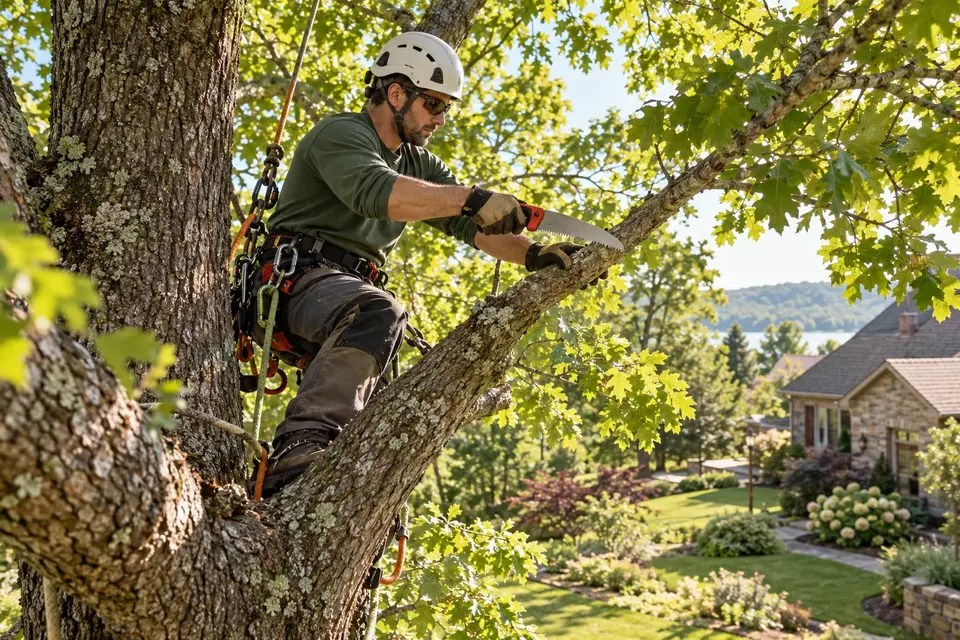
Branches over a walkway, dead limbs in a canopy, and a young tree with competing stems are different pruning questions. A useful estimate identifies the goal and the work proposed for each tree.
Plan your pruning projectCall us at (501) 501-8593 to leave your project details. A provider must assess and price the work.
Describe branches affecting a path, driveway, roof, or other space. The provider can assess which changes are appropriate for the tree and the location.
Point out what you have observed without trying to diagnose the cause. Ask whether the tree needs pruning, further evaluation, or a different response.
Young and mature trees have different needs. Explain your long-term concerns so the proposed work is more specific than simply “cut it back.”
Identify the trees, the purpose of the pruning, the area of the canopy involved, access requirements, and what happens to the debris. For work intended to provide clearance, explain the obstruction and ask how the result will be defined.
The Little Rock tree trimming cost guide walks through comparing pruning scopes, equipment access, and cleanup. We do not publish an unverified local price range.
Topping cuts back large portions of a tree without the selective approach used in proper pruning. University of Arkansas Extension advises against topping and explains appropriate pruning principles in its Homeowner’s Guide to Pruning Ornamental Trees.
If your concern is a tree’s size, describe that concern and ask a qualified arborist what options suit the species and site. Do not assume that removing more branches produces a healthier or safer tree.
The answer depends on the tree, its condition, and the purpose of the work. Give the provider the species if known and ask about timing before scheduling. Avoid applying a single calendar rule to every tree on a Little Rock property.
Provide a full-tree photo and a wider view of the property from a safe location. Identify the branches or areas of concern in the photos and describe gate access and nearby structures. Ask whether an in-person assessment is needed to settle the scope.
Confirm whether the quote includes hauling away branches, chipping, and clearing smaller debris. If you want to keep chips or wood, agree on placement in advance.
Include the job address when requesting a pruning service. A provider’s service area may vary, so confirm that your location is covered before arranging a visit. Explain whether the request concerns one yard, several trees, or a shared space, and identify who can authorize the proposed services.
When comparing tree services, ask who will assess the canopy, how qualifications can be verified, and who will supervise the visit. A description such as “expert arborists” should be backed by verifiable credentials and relevant experience. Discuss your tree care goals directly with the person recommending the scope.
Tree pruning may be one option after an assessment; it is not a substitute for understanding the underlying concern. If a contractor recommends tree removal instead, ask why retaining the tree is unsuitable and what alternatives were considered. Stump removal is a separate scope to discuss if the whole tree is taken down.
After a storm, explain what has changed before arranging routine maintenance. Ask the tree service provider whether an emergency tree assessment is available and how urgent requests are handled. Do not assume availability or a response time from a general list of services. Keep photographs to views you can obtain from a safe location.
No. Pruning has specific uses, and a tree may need diagnosis or a different management approach. Ask for an explanation of the recommendation.
No. Species, age, condition, and pruning goals matter. An estimate should identify the intended work for each tree.
No. This is an independent service-request website. A qualified provider must assess and price the actual work.
Sometimes the concern is a particular branch or clearance issue rather than the whole tree. Ask an arborist whether selective pruning would address the problem and what limitations remain. Pruning is not a universal remedy for structural damage, and removing more foliage is not automatically a better result.
Describe what you want to preserve and ask what follow-up is recommended. If you notice damage or a change in condition, use the assessment questions for warning signs. Compare the proposed outcome with tree removal and care options in Little Rock before agreeing to a scope.