Plan the work. Leave your request by phone or online.
Planning tree removal, trimming, or stump work in Little Rock, AR? Use our service guides to compare the work involved. Call or fill out the form with your neighborhood, ZIP code, tree concerns, and callback number.
Considering tree removal in Little Rock, AR? Explain whether the tree is damaged, obstructing a planned project, or causing concern near a building. For a backyard tree in Hillcrest or the Heights, describe any narrow side-yard access, nearby roofs, and shared fences. A tree service provider needs to assess its condition, nearby structures, equipment access, and the intended finish before recommending a scope. Before deciding to remove trees, ask whether removal is necessary or whether another approach could address your concern.
Tree trimming and pruning start with a specific goal: clearance over a driveway, branches near a roof, dead limbs, or concerns about tree structure. Tell the tree service provider which branches concern you and why. Ask what they recommend removing, what should remain, and how the proposed work relates to tree health. Confirm the timing and cleanup before agreeing to the job.
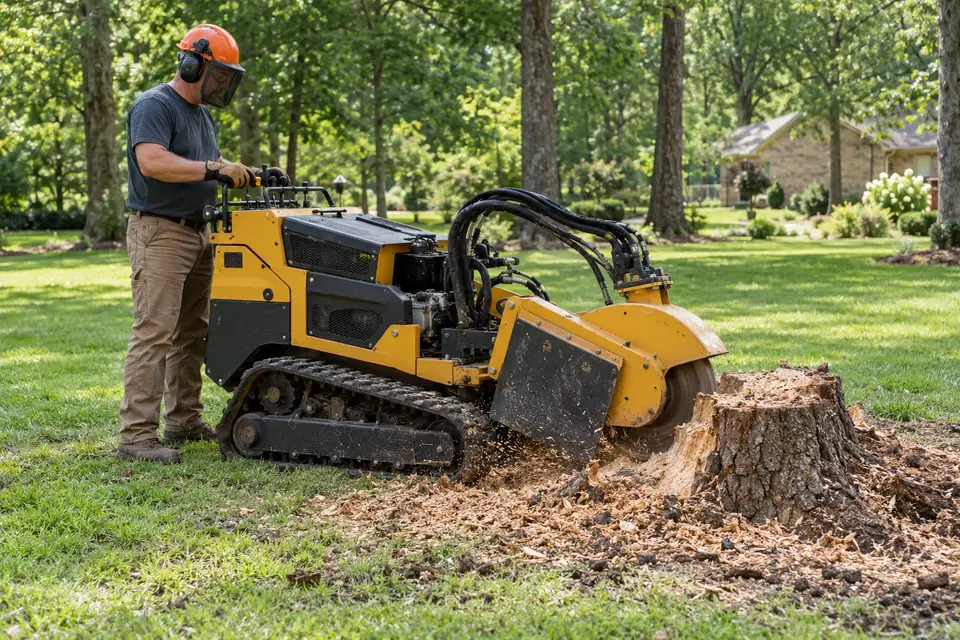
The base left after cutting can interfere with mowing or a planting bed. Discuss grinding versus full excavation, any exposed roots, and what should happen to the chips. Gate width and the equipment route can change the scope. Confirm this work separately from taking down the standing tree.
You do not have to decide which service is right before describing the problem. Tell the provider what you have noticed: dead branches, suspected disease, storm damage, or a tree interfering with a roof, fence, or other structure. Explain when the concern appeared and whether it has changed.
For suspected disease, describe visible changes such as unusual leaf loss or damaged bark rather than naming a diagnosis. For storm damage, explain which parts of the tree appear affected. Existing photos and views from a safe distance may help the provider understand the request; they do not replace an assessment.
Ask whether pruning could address the concern, whether removal should be considered, and what needs an on-site inspection. A qualified tree service professional must assess the tree and explain the options. Our guide to tree warning signs and pruning alternatives help you prepare that conversation.
When to ask for an arborist assessment
If your main question is whether a tree can be retained, ask whether an arborist can assess its health and condition before you commit to removal. Explain what you want to preserve, such as shade over a patio, and what is causing concern. Ask the assessor to explain the reasons for each option and whether further inspection or follow-up is recommended.
For example, branches over a roof and suspected disease are different concerns; describe both rather than requesting the same treatment for every tree. Ask about the assessor’s relevant credentials and experience, and whether the assessment has a separate fee. An assessment request is not a commitment to authorize cutting.
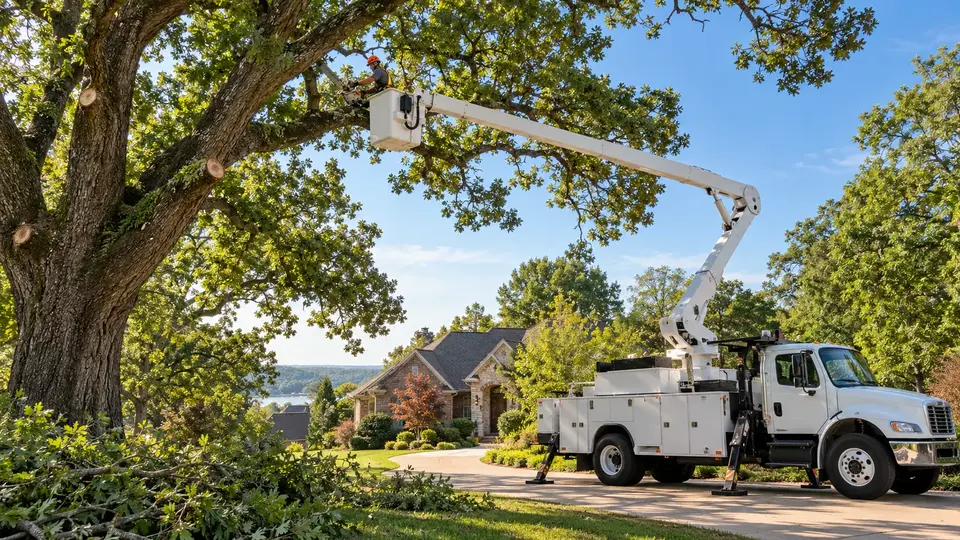
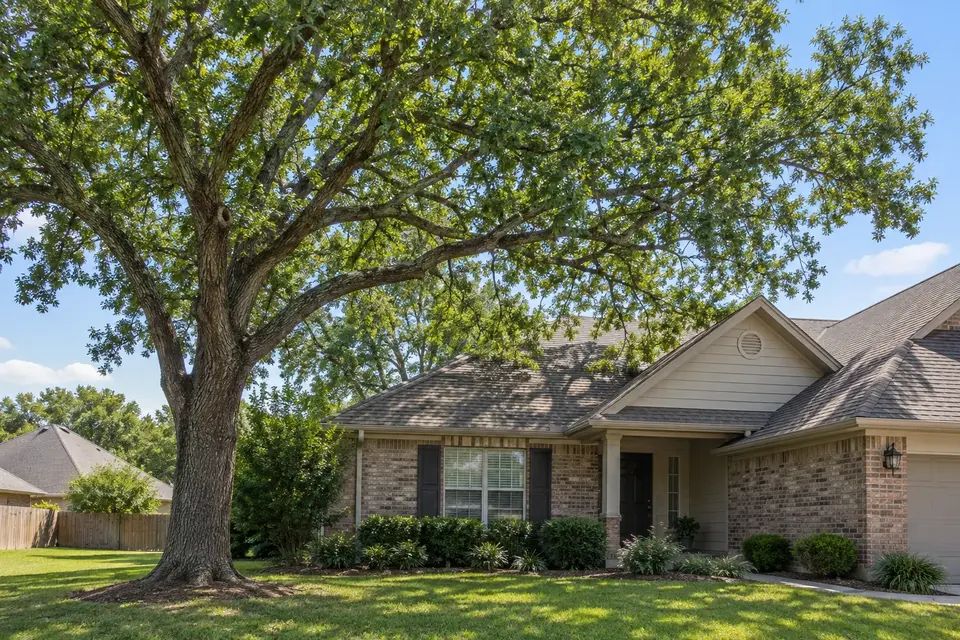
AI-generated illustration of a tree near a home; not a completed project.
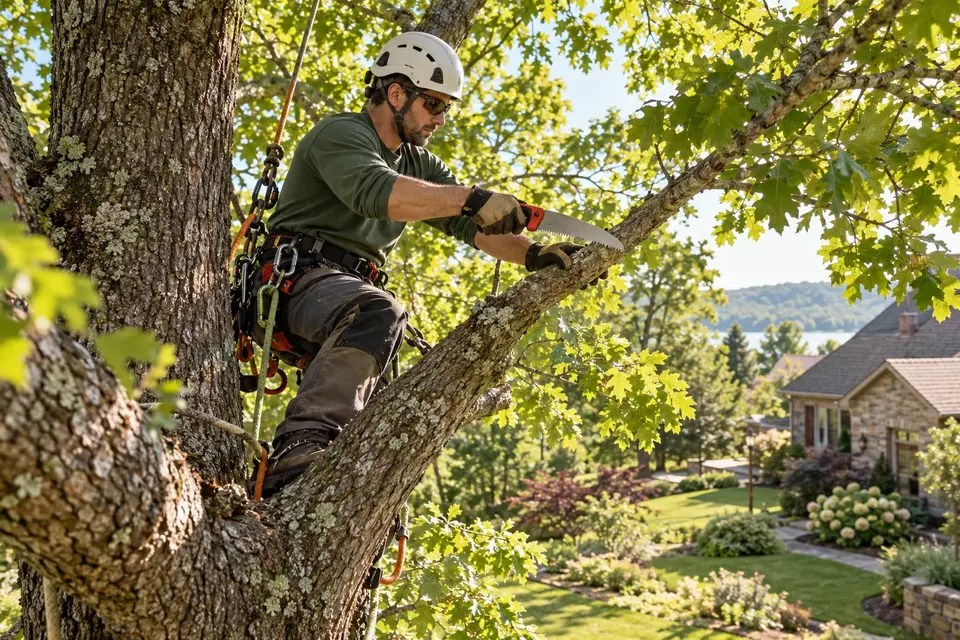
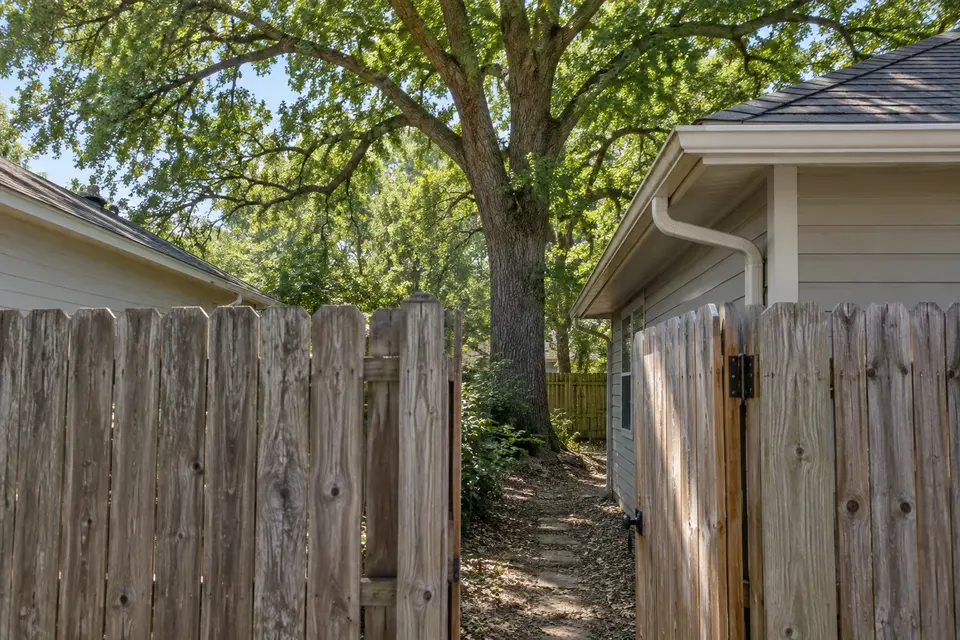
AI-generated illustration of limited backyard access; not a customer property.
SHOW THE WHOLE PROPERTY
Tree cutting: large trees and difficult access
A large tree in an open yard presents different planning questions from one beside a roof or behind a fence. Narrow gates, tight turns, nearby buildings, and limited equipment space can affect how a provider reaches the tree and handles branches and wood.
Describe the route from the street to the tree, including the narrowest opening, slopes, and surfaces you want protected. Mention nearby roofs and fences, where vehicles could park, and any access that would require a neighbor’s permission. Let the contractor determine the equipment and removal method after inspecting the site.
Safety and property protection questions
How will your equipment reach the tree, and what access do you need?
How will you protect nearby structures, fences, and ground surfaces?
Would any fence section need to be removed, and who would restore it?
Where will branches and logs be handled, and what cleanup is included?
Include agreed access and restoration work in the written scope. For work in Little Rock, AR, use our tree permit checklist to confirm which office to contact and what approvals apply before scheduling. Use our tree removal access and cleanup guide to prepare the details.
Before an agreed work date, ask the provider to identify the work area and explain where people, pets, and vehicles should stay. Discuss whether you will need access to a garage, driveway, or side gate during the job. The provider should explain restrictions and the expected removal timeline before work begins so you can plan around them.
Point out irrigation equipment, outdoor lighting, garden beds, and other features along the proposed equipment route. Ask who will move portable items and document the condition of surfaces you are concerned about. If wet ground or restricted access changes the plan, agree how the provider will explain any revised scope, timing, or charges before proceeding.
Compare the scope of tree services
For tree services in Little Rock, AR, a useful estimate starts with the property address and the work involved. Identify each tree, driveway access, and any gates between the street and the work area. Ask whether the quote covers removal only or also stump grinding, wood hauling, and cleanup.
Compare written scopes that identify the same work. Ask whether wood disposal, grinding, and ground restoration are included. Our tree removal cost guide explains the main questions; the grinding cost calculator works with a rate you have received from a contractor.
Compare estimates using the same example job
Suppose you want one backyard tree removed and the area ready for grass. One estimate may cover cutting and hauling branches while leaving the remaining base and larger logs. Another may also include grinding, chip removal, and filling the area. The totals are not directly comparable until both providers describe the same finish.
Ask each tree service provider to list included work and optional items separately. Check whether the estimate follows an on-site visit or is preliminary, how long it remains valid, and what could change the total. If an item is unclear, request a written clarification before accepting. Keep the agreed estimate and any later changes together so there is a shared record of what you authorized.
Questions to ask a Little Rock tree-service provider
Before hiring a contractor, ask who will assess the tree and who will perform the work. Discuss experience with similar access conditions, request current proof of insurance, and ask about any qualifications relevant to the proposed work.
Ask for a written scope identifying the trees or branches involved, equipment access, debris handling, and any work excluded from the estimate. Confirm accepted payment methods, when payment is due, and how extra work would be approved. Review genuine customer feedback and ask for examples of comparable completed projects.
Check credentials with the issuing organization
If a provider says an ISA-credentialed arborist will assess your trees, ask for that person’s name and credential details. Use the International Society of Arboriculture’s Find an Arborist directory to verify the credential. Confirm who will actually visit and whether the proposed assessment matches their qualifications. Also check the contractor’s insurance and written scope. Use our questions to ask tree professionals during the assessment.
Residential tree services in Little Rock, AR can involve a single damaged tree, branches over a driveway, or stump work before landscaping. Describe how the work affects your home, garden, and access. For commercial properties, including offices, apartment grounds, and retail parking areas, identify who approves the work. Discuss tenant access, customer entrances, delivery routes, and operating hours before agreeing on a schedule.
For work in the Little Rock area, tell the contractor whether the request concerns one tree or several locations on the same property. Ask for each item to be identified in the written estimate. A business property may need coordination with a property manager or tenant; agree who will handle that communication before work begins.
Stump removal and land clearing are different scopes
Stump removal may mean grinding the visible base or excavating a root ball. Explain your intended use for the space so a provider can assess the options. Land clearing can involve multiple trees, brush, roots, and material handling across a larger site. Site clearing should not be assumed to be included in a single-tree quote. Ask the company to separate clearing costs from individual-tree work and explain the intended finish.
Mark the boundaries of the proposed project on a plan and identify vegetation you want retained. Ask who will confirm permissions, disposal arrangements, and the final ground condition. Discuss these requirements directly with a contractor that handles the requested work.
Emergency tree service requests
For storm-damaged trees in Little Rock or elsewhere in Pulaski County, tell an emergency tree service provider whether the tree is standing, fallen, blocking access, or resting on a structure. Give the exact address and describe the damage from a safe location. Read our storm-removal planning guide; for wires, start with utility coordination. Confirm response availability directly; this website does not dispatch emergency crews or promise urgent assistance.
Tree care planning in Central Arkansas
Our tree care information focuses on Little Rock, AR, including Hillcrest, the Heights, Riverdale, Midtown, and west Little Rock around Chenal Valley. When requesting services, give your neighborhood and ZIP code as well as the property address. For North Little Rock, Maumelle, or another community in greater Little Rock, confirm the contractor’s travel area and any travel charge before arranging a visit. For ongoing care, identify the trees you want retained and ask whether pruning or a follow-up assessment is appropriate.
What to have ready when you call
Your location
Have your Little Rock neighborhood and ZIP code ready. Specify whether the tree is in the front yard, backyard, or a commercial parking area, and describe access from the street. Confirm coverage for your address before arranging a visit.
Your project
Describe the number of trees or stumps, why you want the work assessed, and your preferred timeframe. Note gates, slopes, fences, parking, and nearby structures.
Your callback details
Give the website operator your name and callback number. A separate contractor must provide an estimate and arrange any work.
THINK PAST THE CUT
Agree on what stays and what goes
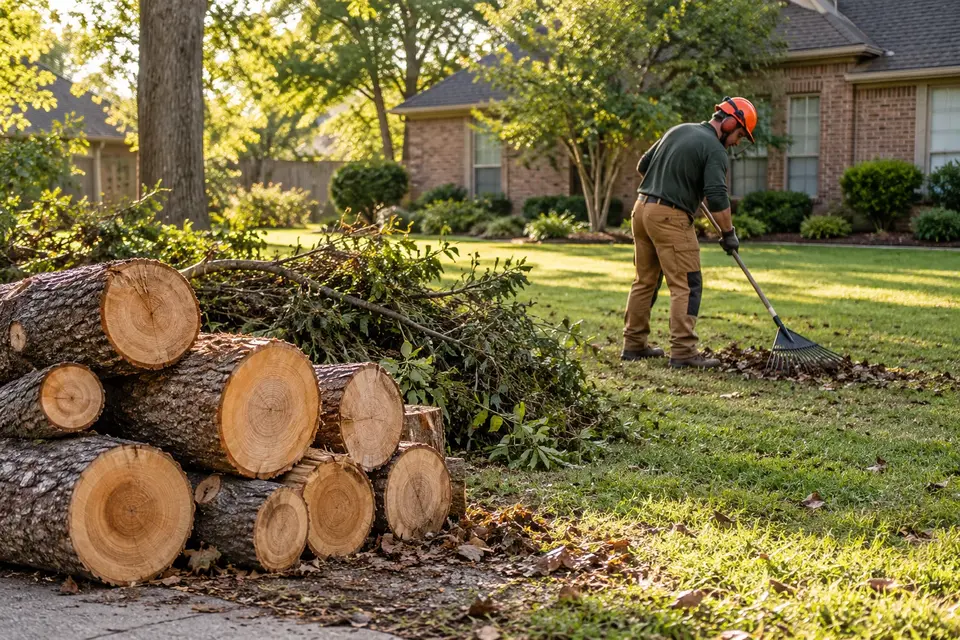
Cutting can leave logs, branches, chips, and the base of the tree. Compare cleanup services by specifying whether you want material hauled away or kept, and where anything left behind should go. Ask separately about filling, leveling, and restoring grass or planting beds.
Plan the finish after stump grinding
When comparing tree stump removal services, explain how you intend to use the space afterward: lawn, a flower bed, or another project. Ask what grinding depth and treatment of visible roots they propose for that use. Confirm whether the work covers only the identified stump or additional roots, and who handles any material left behind.
If chips remain, agree where they will be placed and whether you will arrange their removal. If you want the area filled and seeded, have those tasks stated separately rather than assuming cleanup includes them. Our stump grinding preparation guide and cleanup guide explain the next questions to discuss.
The cost depends on size, condition, access, nearby structures, equipment, and the agreed cleanup. A large tree beside a roof can require a different plan from one with open working space. This website does not publish verified local rates, and the website operator cannot provide an estimate. Ask a provider to assess the work and supply a written quote. Our Little Rock tree removal cost guide explains what to compare.
How do I choose a tree service in Little Rock?
Ask who will assess and perform the tree services, request current proof of insurance, and discuss experience with trees and access conditions like yours. Review genuine feedback and examples of comparable projects. Compare written scopes covering equipment access, debris handling, exclusions, and payment terms. Confirm any relevant credentials with the actual provider.
Does taking down a tree include grinding?
Not automatically. Confirm treatment of the remaining base separately, including depth, root work, chip removal, and restoration. Our grinding and removal guide explains the options.
Can I arrange an emergency crew here?
No emergency dispatch is offered through this website. Stay clear of unstable trees and damaged power lines. For immediate danger, contact emergency services; report damaged power lines to the electric utility.
Who performs the work?
Your tree service provider assesses the property, explains the proposed work, and confirms pricing and scheduling directly with you.
About this planning information
Updated October 27, 2026 by Little Rock Tree Removal Pros. This guide helps you prepare questions; it is not an arborist’s inspection or a diagnosis. The ISA directory linked above supports credential verification and does not imply an endorsement. Send a correction or website question through Contact & Help.
LOCAL RESEARCH · NOAA RECORDS
Five years of storm-related tree damage
Our Pulaski County review found 70 thunderstorm-wind reports describing tree or limb damage during 2021–2025. See the yearly chart, local examples, and downloadable records in our Arkansas storm and tree-damage report for Little Rock.
CALL OR LEAVE A REQUEST
Tell us about your tree project
Prefer to write it down? Send your contact details and a short description for the website operator to review.